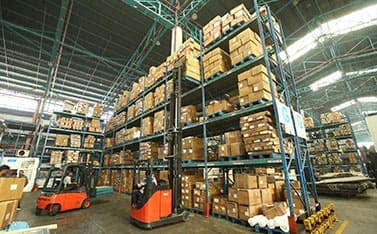
Air cargo carries over a third of global trade value, and India’s two GMR-run gateways — Delhi and Hyderabad — move more than 1.18 million tonnes of it a year between them. Delhi is the country’s largest cargo airport and the first in India to hold both AEO and IATA e-AWB 360 certification; Hyderabad is South Asia’s leading pharma export gateway, moving vaccines and biologics worth billions of dollars annually. Here’s how that infrastructure works, why it matters for the Indian economy, and where it’s headed next.
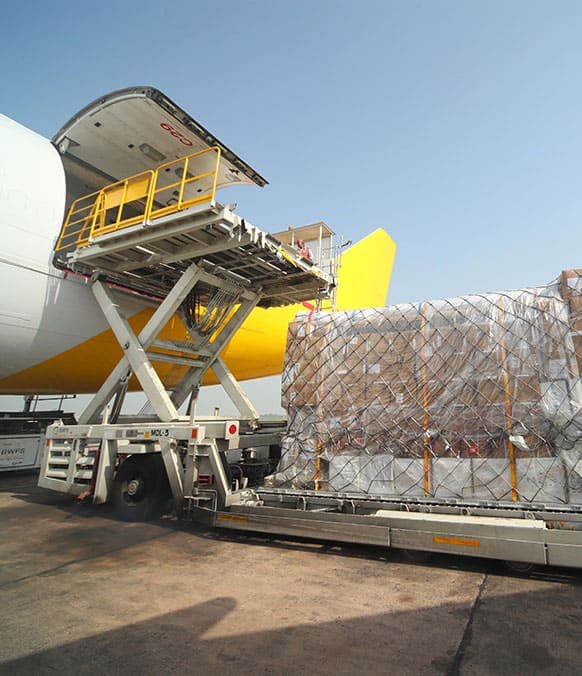
The Silent Engine of the Indian Economy
When a life-saving vaccine manufactured in Hyderabad reaches a patient in New York within 48 hours, or an e-commerce order from overseas lands at your doorstep in record time, a powerful supply chain is at work. At the centre of this global connectivity is GMR Group, whose infrastructure is reshaping India’s role in air cargo logistics.
Air cargo might be invisible to most consumers, but its impact on the Indian economy is profound. Globally, it carries over a third of total trade value, handling high-value and time-sensitive goods such as electronics and pharmaceuticals. Delhi Airport stands as India’s largest air cargo gateway, managing over one million metric tonnes annually. Hyderabad International Airportadds another 180,000 tonnes, with pharmaceutical exports forming 72% of the total — underscoring the growing importance of logistics companies in India.
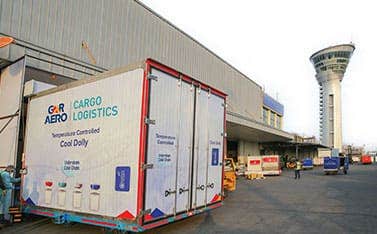
GMR Cargo: Infrastructure That Sets Global Benchmarks
Delhi International Airport: India’s Gateway to Global Trade
Spanning 150 acres, the cargo facilities at Delhi Airport feature two integrated terminals, a logistics centre, and connectivity to 70+ international and 80+ domestic destinations. What differentiates Delhi Airport is its focus on operational and digital excellence:
Advanced Temperature Control: facilities with over 150,000 metric tonnes of capacity ensure secure handling of sensitive goods.
Digital Transformation: Delhi was the first airport in India to receive IATA’s e-AWB 360 certification for 100% e-freight compliance.
Customs Certification: it was also the first airport in India to be AEO (Authorised Economic Operator) certified.
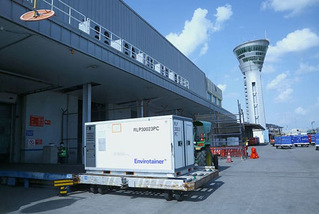
Hyderabad: India’s Pharma Export Powerhouse
Hyderabad International Airport plays a pivotal role in India’s pharmaceutical supply chain. “Hyderabad Cargo is the preferred gateway for pharmaceuticals and vaccine movements in the South Asia region. We are pleased at the remarkable growth in cargo operations at HYD Airport in CY24. Looking ahead, we are excited to continue building on this momentum and to drive further innovation, positioning HYD Airport as a key global cargo gateway,” says Mr. Pradeep Panicker, CEO — GMR Hyderabad International Airport Ltd.
Hyderabad handles over 180,000 metric tonnes of cargo annually, with pharma products making up 72% of exports. (Export share to the US and Europe is stated internally as ~50%; GHIAL’s own published figure is 51% — confirm before publishing a precise number.)
To support this growth, GMR Hyderabad Cargo is upgrading Cargo Terminal 1 and building Cargo Terminal 2, which will introduce perishable export zones, courier hubs, and expanded warehousing.
Cold Chain Infrastructure: The Backbone of Pharma Exports
With Indian pharmaceutical exports valued at US $27.9 billion in FY 2023–24, up 9.4% year-on-year, cold chain logistics have never been more critical. GMR Group ensures safe handling of sensitive cargo through temperature-controlled warehouses, dedicated cold chain handlers, and IoT-enabled monitoring for real-time tracking.
These features are crucial for maintaining the quality of vaccines, biologics, and APIs, positioning GMR Cargo as a leader among logistics companies in India.
Connecting India with the World
Delhi Airport connects to 150+ destinations via 67+ carriers and 30+ freighter airlines. Hyderabad Airport supports cargo movement to 20+ international destinations, reinforcing India’s global supply chain management framework.
Enabling India’s Export Competitiveness
Air cargo fuels multiple sectors in the Indian economy:
• Pharmaceuticals: ensures fast, safe global delivery
• Agriculture: cold chain logistics enable perishable exports
• E-commerce: supports next-day delivery
• Manufacturing: facilitates just-in-time inventory
These capabilities improve export competitiveness and attract global investment.
GMR Aero Academy: Building Logistics Talent
Infrastructure alone isn’t enough — skilled professionals are essential. GMR Group addresses this through GMR Aero Academy, which offers a Certificate in Airport and Cargo Operations, an online introductory course in cargo, and IATA-certified Dangerous Goods Regulations training. These programmes build a pipeline of skilled professionals ready to serve India’s logistics and air cargo industry.
Aerotropolis Vision: The Future of Air Cargo
GMR Aerocity Hyderabad spans 1,500 acres, with 200+ acres as a Special Economic Zone (SEZ) and 77 acres as a Domestic Tariff Area. It aims to integrate manufacturing, warehousing and transport; cut transit times; improve cost-efficiency; and meet global logistics standards.
Technology & Sustainability: Next-Gen Air Cargo
GMR Cargo integrates technology to increase efficiency and sustainability: IoT and automation for real-time monitoring and reduced errors, digital documentation for paperless processing, and green energy for eco-friendly temperature control systems.
Looking Ahead
The Indian pharmaceutical market is estimated to reach US $130 billion in value by the end of 2030, according to a recent EY-FICCI report. GMR Group is positioning India for this future with increased terminal capacity, advanced automation, global compliance, and trained logistics professionals.
From cold chain pharma exports to e-commerce fulfilment, GMR Group is redefining the economic impact of air cargo on the Indian economy. With world-class infrastructure, innovative logistics solutions, and a future-ready workforce, GMR Cargo is not just moving goods — it is powering India’s growth in global trade.
Ready to launch your career in air cargo? Explore GMR Aero Academy’s training programmes and become part of India’s next-generation logistics professionals.
FAQ Section
Q: How much cargo does Delhi Airport handle?
A: Delhi Airport handles over one million metric tonnes of cargo annually, making it India’s largest air cargo gateway. Its facilities span 150 acres across two integrated terminals, connecting 70+ international and 80+ domestic destinations.
Q: Why is Hyderabad Airport important for pharma exports?
A: Hyderabad International Airport handles over 180,000 metric tonnes of cargo a year, with pharmaceutical products making up 72% of its exports — positioning it as a leading gateway for pharmaceutical and vaccine movement in the South Asia region.
Q: Is Delhi Airport certified for cargo compliance?
A: Yes. Delhi Airport was the first airport in India to receive AEO (Authorised Economic Operator) certification from Indian Customs, and the first in the country to achieve IATA’s e-AWB 360 certification for 100% e-freight compliance.
Q: How does GMR Cargo support cold chain logistics?
A: GMR Cargo operates temperature-controlled warehouses with over 150,000 metric tonnes of capacity, dedicated cold chain handlers, and IoT-enabled monitoring for real-time tracking — supporting the safe movement of vaccines, biologics and APIs.
Q: How can I train for a career in air cargo with GMR?
A: GMR Aero Academy offers a Certificate in Airport and Cargo Operations, an online introductory cargo course, and IATA-certified Dangerous Goods Regulations training, building a pipeline of skilled professionals for India’s logistics and air cargo industry.
Q: What is GMR Aerocity Hyderabad?
A: GMR Aerocity Hyderabad is a 1,500-acre aerotropolis development, including over 200 acres as a Special Economic Zone and 77 acres as a Domestic Tariff Area, designed to integrate manufacturing, warehousing and transport around Hyderabad Airport.
Q: How big is India’s air cargo and pharma export market?
A: Indian pharmaceutical exports were valued at US $27.9 billion in FY 2023–24. According to an EY-FICCI report, the Indian pharmaceutical market overall is estimated to reach US $130 billion by the end of 2030.