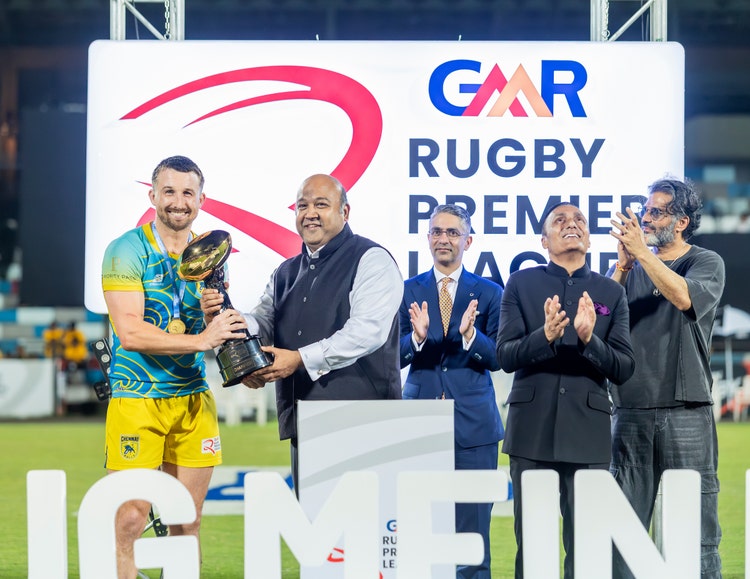
The Rugby Premier League (RPL) is India’s first professional, franchise-based Rugby Sevens league, created by GMR Sports in partnership with Rugby India. Season 1 (June 2025) drew six franchises, 80+ players including 30 internationals, and over 70 Indian athletes through the player auction — Chennai Bulls won the title, beating Delhi Redz in the final. Here’s how the league works, what Season 1 delivered, and what’s ahead for Season 2.
Building a Platform for Rugby in India
After a successful inaugural season in 2025, the Rugby Premier League (RPL) is back for its second season — and this time, it marks more than just another year of competition. The upcoming season is the next chapter in a growing sport in India, giving Indian rugby players a platform to showcase their talent and play alongside international stars on the same field. It is a major step toward building sustainability in the sport while supporting homegrown talent.
The RPL was created by GMR Sports in partnership with Rugby India, with a clear ambition to strengthen the country’s sports ecosystem by bringing grassroots talent to the global stage. GMR Sports has played a major role in shaping this niche sport into a structured format, creating a clear pathway for Indian athletes.
A Vision to Professionalise Rugby in India
The RPL was conceived as India’s first professional, franchise-based Rugby Sevens league — a format recognised by the Olympic Games. Alongside meeting global standards, it is fast-paced, which makes it appealing to modern audiences.
This idea needed an ecosystem behind it: one that gives Indian rugby talent access to elite coaching, consistent exposure to high-level competition, and a professional system that supports their growth in the sport.
By placing Indian players on the same field as global rugby stars, the league bridges a long-standing gap in exposure and performance for Indian talent — connecting players to a global ecosystem that had been missing for years. That visibility creates aspiration and accelerates the learning curve for both players and the sport itself.
A Strong Start: Inaugural Season Success
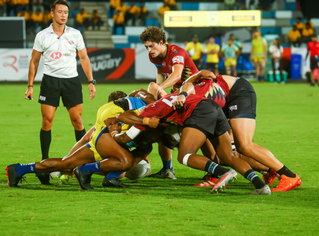
The inaugural season, held in June 2025, laid a strong foundation for the league. Thirty-four matches were played over two weeks at the Mumbai Football Arena (also known as the Andheri Sports Complex), featuring six franchise teams and more than 80 players. Chennai Bulls lifted the winning title, defeating Delhi Redz in the final.
Securing an international playing window for the league was a key milestone — it allowed global rugby players to take part without disrupting their national commitments. The presence of international players elevated the sport’s credibility in India and put it on the world rugby map.
Bringing the World to India
Global participation was a turning point for the inaugural season: 30 international players from New Zealand, Australia, South Africa, Fiji, Argentina, Great Britain and Ireland brought fanfare from their home countries into the league.
For Indian athletes, it was a dream come true. Learning and playing alongside renowned players like Perry Baker, Rosko Specman, Scott Curry and Harry McNulty (spelling to verify against team-sheet records before publishing) gave them exposure that was long overdue.
Unlocking Talent from the Grassroots
This was perhaps the league’s most powerful impact. Training, competing and travelling with international teammates and coaches gave Indian players a genuinely professional environment.
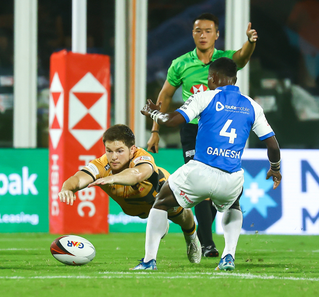
Over 70 Indian athletes were selected by franchises in the RPL auction — a major break for grassroots talent. Many stood out: Mohit Khatri was the most expensive Indian player at the auction and went on to captain the Bengaluru Bravehearts, his leadership and confidence on the global stage proving well worth the investment. Prince Khatri and Javed Hussain shone with Hyderabad Heroes, and Ganesh Majhi, a former U20 captain from Odisha, turned heads playing for Mumbai Dreamers.
India has no shortage of talent — talent needs platforms, pathways and belief. RPL Season 1 delivered a wake-up call by giving Indian players a genuine chance, and a field, to perform.
Building a Franchise-Led Ecosystem
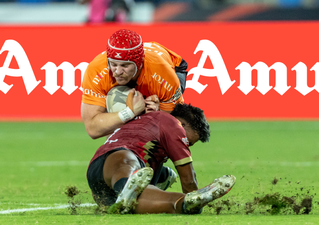
The league’s franchise model was built for sustainability. Franchises invest in the sport, create regional identities, and cultivate local fan bases — turning a sport into something the audience connects with emotionally.
This structure has proven successful across the globe: it isn’t built for a one-off event — it is designed to create a scalable, sustainable ecosystem that supports athletes, keeps fans engaged, and encourages long-term participation.
Season 1’s franchises were Bengaluru Bravehearts, Chennai Bulls, Delhi Redz, Hyderabad Heroes, Kalinga Black Tigers and Mumbai Dreamers.
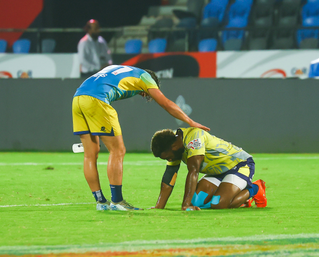
Strengthening India’s Olympic Ambitions
Rugby Sevens has been part of the Olympic Games since 2016. By choosing this format, the RPL strategically supports India’s Olympic ambitions — expanding the talent pool, exposing players to high-pressure, international-standard competition, and building a pipeline for the national team.
Over time, this is expected to translate into improved performance and a more competitive Indian presence on the global rugby stage.
Looking Ahead
As the second edition of the RPL approaches, the focus is on stronger competition, deeper fan engagement, and growing commercial interest. GMR Sports’ continued commitment to rugby in India shows this is no longer an experiment, but a movement built for continuity and scale.
(Publicly reported information indicates Season 2 moves to a new host city and introduces women’s franchises alongside the existing men’s teams. Confirm the exact city, number of women’s franchises, and any format changes with GMR Sports before publishing.)
GMR Sports is investing in talent at the grassroots level, building a professional ecosystem around the sport, and helping rugby find its rightful place in India.
FAQ Section
Q: What is the Rugby Premier League?
A: The Rugby Premier League (RPL) is India’s first professional, franchise-based Rugby Sevens league, created by GMR Sports in partnership with Rugby India. It brings Indian players onto the same field as international stars, using the Olympic-recognised Sevens format.
Q: Who won the first season of the Rugby Premier League?
A: Chennai Bulls won the inaugural RPL season, defeating Delhi Redz in the final. The season ran in June 2025, with 34 matches played over two weeks at the Mumbai Football Arena (Andheri Sports Complex).
Q: Which teams played in RPL Season 1?
A: Six franchises competed in Season 1: Bengaluru Bravehearts, Chennai Bulls, Delhi Redz, Hyderabad Heroes, Kalinga Black Tigers, and Mumbai Dreamers.
Q: Did international players take part in the Rugby Premier League?
A: Yes. Thirty international players from New Zealand, Australia, South Africa, Fiji, Argentina, Great Britain and Ireland played in Season 1, including recognised Sevens stars such as Perry Baker, Rosko Specman and Scott Curry.
Q: How many Indian players took part in RPL Season 1?
A: Over 70 Indian athletes were selected by franchises in the RPL player auction, giving grassroots talent a route into a professional, franchise-based competition alongside international players and coaches.
Q: Why does the Rugby Premier League use the Rugby Sevens format?
A: Rugby Sevens has been part of the Olympic Games since 2016. The RPL uses this fast-paced, Olympic-recognised format to expand India’s talent pool and build a pipeline toward more competitive Indian representation on the international rugby stage.
Q: What role does GMR Sports play in the league?
A: GMR Sports created the Rugby Premier League in partnership with Rugby India and continues to invest in the sport at the grassroots level, building the professional ecosystem — coaching, franchises and competition structure — around it.
Q: Is there a second season of the Rugby Premier League?
A: Yes — GMR Sports has confirmed a second RPL season is underway, building on Season 1’s foundation with continued investment in competition, fan engagement and commercial growth. (Confirm Season 2 specifics — host city, women’s franchises, dates — internally before publishing.)