Introduction: From Village Grounds to Prime Time
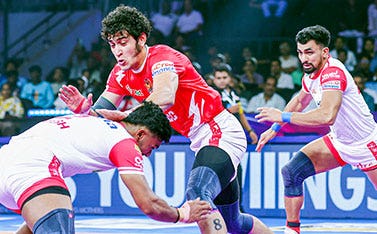
Kabaddi, an ancient sport deeply rooted in Indian culture, has been played in villages for centuries. What was once a simple test of strength and stamina has transformed into a strategic spectacle. The launch of the Pro Kabaddi League in 2014 revolutionized the sport, bringing professional coaching, analytics, and nationwide popularity to what was primarily a grassroots game.
Traditional Kabaddi: Raw Power Meets Simple Tactics
The Grassroots Game
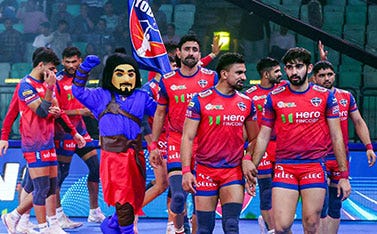
Traditional kabaddi thrived in rural India, where local tournaments during festivals brought communities together. The game was straightforward, raiders relied on physical strength, speed, and natural instinct to score points, while defenders used brute force to stop them.
Strategy in Traditional Format
Strategy in traditional kabaddi was minimal compared to today's standards. Teams did not have specialized roles or detailed game plans. The strongest athlete would raid, and the toughest defenders would form loose circles to capture opponents. Success depended almost entirely on individual physical capabilities rather than coordinated team tactics.
Pro Kabaddi League: The Strategic Revolution
Professionalization Changes Everything
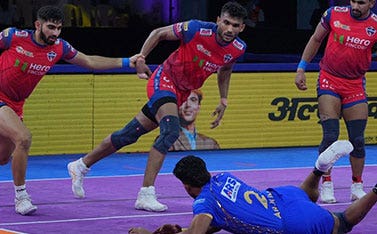
The Pro Kabaddi League transformed kabaddi into a data-driven, tactically complex sport. With franchises like UP Yoddhas, televised matches, and significant commercial investment from major corporations, the game demanded a more sophisticated approach.
Specialized Roles and Tactical Depth
Modern professional teams feature distinct player categories: raiders specializing in different techniques, corner defenders, cover defenders, and all-rounders. Each position requires specific skills and physical attributes. The best kabaddi team in any season typically excels at combining individual talent with cohesive tactical systems, as demonstrated by top-performing franchises.
Data Analytics and Game Planning
Pro Kabaddi teams now employ video analysts and coaching staff who study opponents' patterns, success rates, and individual weaknesses. Pre-match planning involves detailed breakdowns of opponent tendencies, allowing teams to develop counter-strategies. This analytical approach has elevated the sport to unprecedented levels of professionalism.
Format Innovations
Time-bound matches, Super Tackles, Do-Or-Die raids, and tactical substitutions have added layers of strategic complexity. Coaches must make real-time decisions about when to substitute players, when to risk tackles while outnumbered, and how to optimize point-scoring opportunities.
Impact on Development and Fan Culture
Professional Pathways
The Pro Kabaddi League created clear career pathways for talented players. Professional coaching, scientific training methods, and talent scouting systems now identify promising athletes from rural areas and develop them into elite professionals. Traditional kabaddi remains the foundation, with many PKL stars emerging from village tournaments.
Fan Engagement Boom
Pro Kabaddi's television viewership rivals cricket in certain markets, with packed stadiums and passionate fan communities supporting their teams. This popularity has brought unprecedented attention and resources to the sport, benefiting players at all levels.
GMR Sports: Building Bridges Between Tradition and Professionalism
Grassroots Development Focus
GMR Sports has played a crucial role in kabaddi's development infrastructure. The organization recognizes that while the Pro Kabaddi League creates opportunities, grassroots programs create the talent pool that feeds into professional teams.
Comprehensive Athlete Development
Through training academies, local tournament support, and structured development programs, GMR Sports provides aspiring players with professional coaching and modern facilities. These initiatives ensure talented athletes from remote areas receive exposure and pathways to professional opportunities, helping identify the next generation of stars for teams like UP Yoddhas.
UP Yoddhas: Community Connection
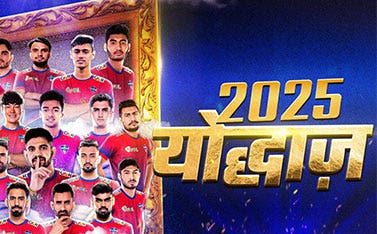
As owners of the UP Yoddhas franchise since 2017, GMR Group demonstrates how professional teams can maintain connections with grassroots communities while competing at elite levels. The team made its debut in Season 5 of the Pro Kabaddi League in 2017. UP Yoddhas has become one of the most competitive teams in the league, with GMR Sports' emphasis on scouting local talent and providing development opportunities strengthening the pipeline from traditional to professional kabaddi.
Infrastructure Investment
GMR Sports has invested in training facilities equipped with video analysis tools, strength conditioning centers, and dedicated practice areas. These facilities serve dual purposes: developing players and educating coaches in modern tactical approaches while respecting traditional knowledge. The organization's holistic approach ensures that the best kabaddi team philosophies are built on strong foundations.